Precision Medicine
Cellular Immunotherapy, Precision Radiotherapy & Regenerative Stem Cell Therapy: Advanced Precision Medicine Pathways in China
Faster access, cost-competitive pricing, and specialized precision therapies across oncology, autoimmunity, and regenerative care. SANA simplifies eligibility screening, hospital matching, and medical record preparation into one unified treatment pathway.Technology 01
CAR-T Cell Therapy
Personalized autologous "living drug" that engineers a patient's own T cells to precisely target and eliminate cancer cells.Indications
Core CAR-T pathways focus on relapsed or refractory hematologic malignancies, with final eligibility reviewed by the treating hospital team.
Multiple Myeloma
- Relapsed/refractory multiple myeloma
- BCMA-directed CAR-T pathways after prior systemic therapy
Large B-cell Lymphoma
- Diffuse large B-cell lymphoma (DLBCL)
- High-grade B-cell lymphoma
- Large B-cell lymphoma transformed from follicular lymphoma
Acute Lymphoblastic Leukemia
- Relapsed/refractory B-cell acute lymphoblastic leukemia
- Pediatric, young adult, or adult pathways depending on protocol
Mantle Cell Lymphoma
- Relapsed/refractory mantle cell lymphoma
- Case review after prior treatment failure
Follicular Lymphoma
- Relapsed/refractory follicular lymphoma
- Usually considered after multiple prior lines of therapy
Chronic Lymphocytic Leukemia
- Selected chronic lymphocytic leukemia pathways
- Coverage depends on CAR-T product, protocol, and specialist review
Active Clinical Trials
>700 active (1,006+ historical)
~500 active (~549 historical)
Cell Manufacturing Cycle
24-36 hours
2-4 weeks
Estimated Commercial Cost
$120,000 - $220,000
$373,000 - >$1,000,000
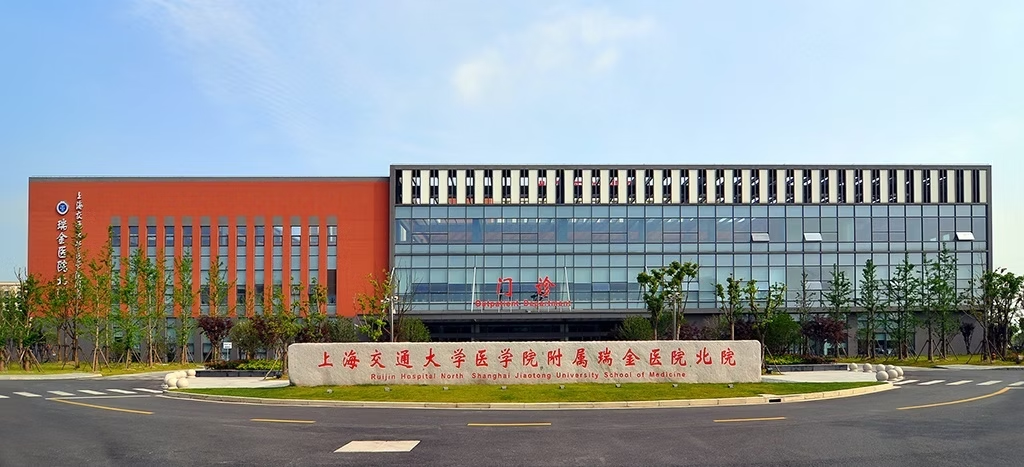
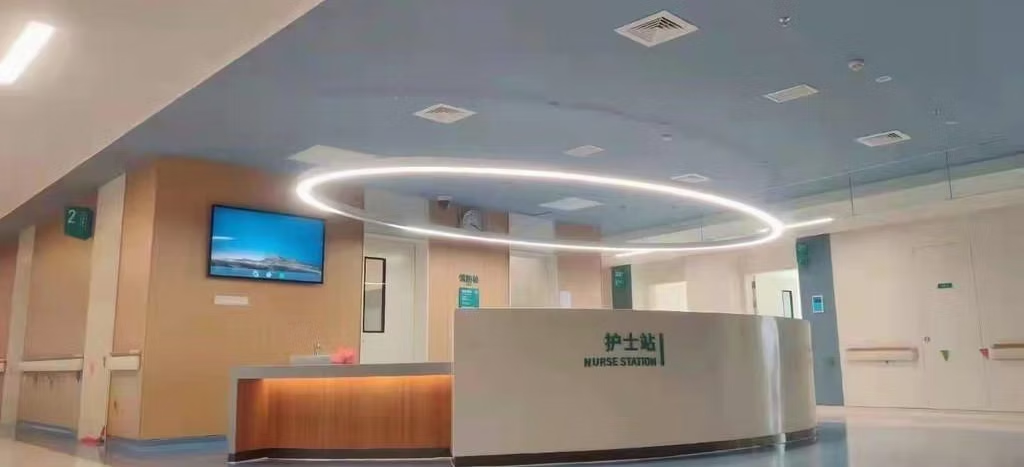
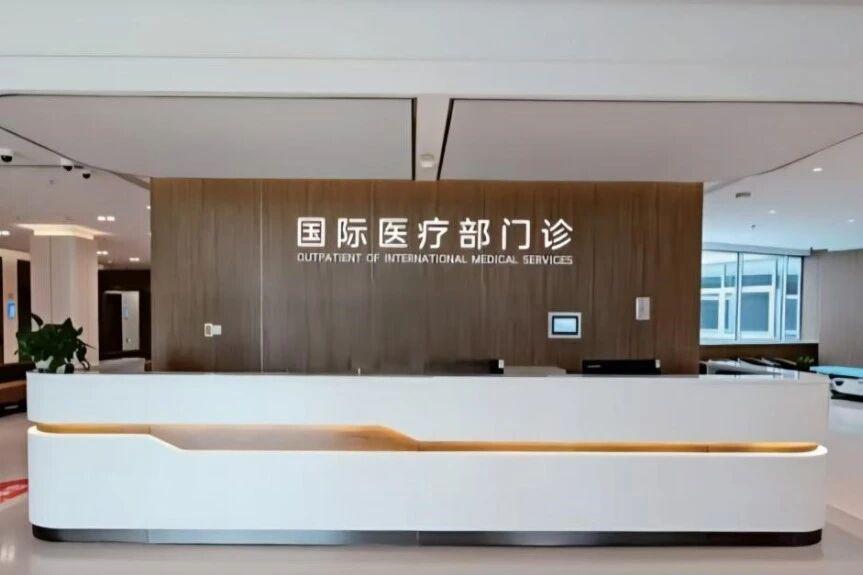
CAR-T Therapy at Shanghai Ruijin Hospital
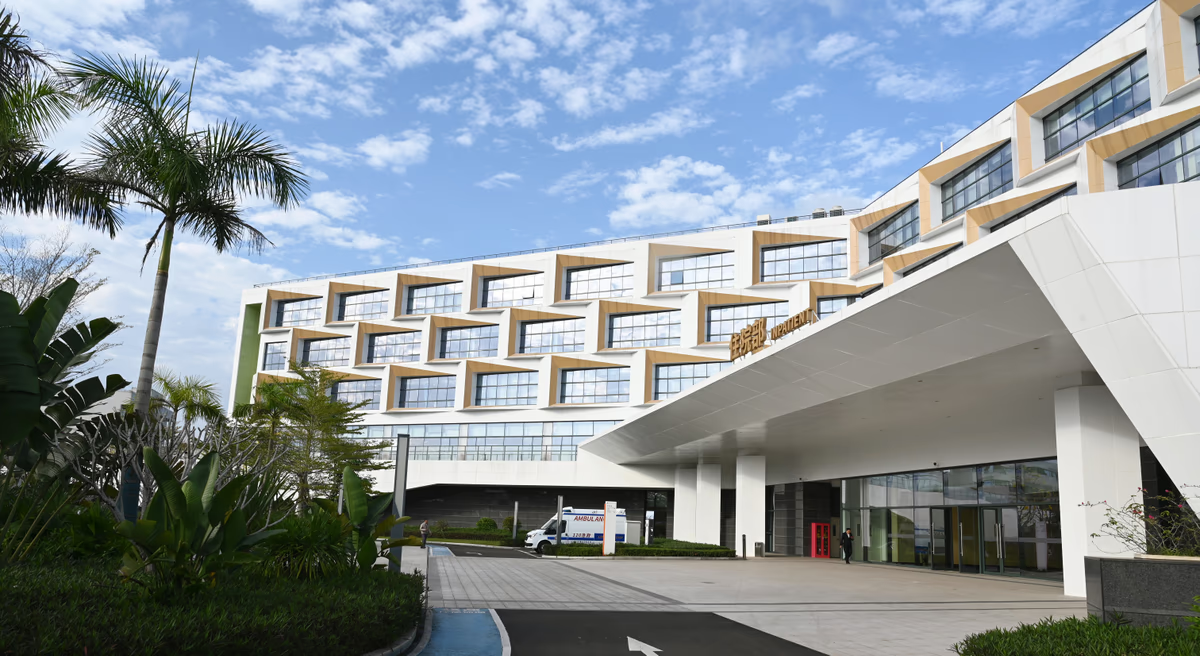
Ruijin is SANA's key CAR-T pathway hospital in Shanghai, combining hematology strength, Grade 3A resources, and international patient coordination.
Key Highlights
- Founded 1907, century-old prestigious hospital
- Leukemia "Shanghai Protocol" with 95% cure rate
- Proton Therapy Center
- 16-language interpreter support
- 21+ international insurer direct billing
- Affiliated with Shanghai Jiao Tong University


Technology 02
Proton Therapy
Highly targeted radiation that uses the Bragg peak effect to deposit energy at tumor depth, sparing adjacent healthy tissue.Estimated Cost (Full Course)
$30,000 - $80,000
$100,000 - $200,000+
Proton Centers
~8-10 operational, rapidly expanding
~45+ operational
Treatment Initiation
1-2 weeks from consultation
3-8 weeks from consultation
Technology Generation
Latest Varian ProBeam 360 with IMPT + CBCT
Mix of older and newer systems
Proton Therapy Indications
Indications compiled from MD Anderson Proton Therapy Center (partial list):
Head & Neck
- Nasopharyngeal & oropharyngeal tumors
- Orbital & skull base tumors
- Re-irradiation of prior radiation field
Chest
- Non-small cell lung cancer
- Esophageal carcinoma
- Thymoma & mesothelioma
- Post-surgical bilateral N2 lesions
Gastrointestinal
- Hepatocellular carcinoma
- Intrahepatic cholangiocarcinoma (ICC)
- Solitary liver metastasis (colorectal)
Urogenital
- Early-stage & locally advanced prostate cancer
- Solitary pelvic lymph node metastasis
CNS
- Meningioma & sellar tumors
- Low-grade gliomas
- Craniospinal irradiation
Breast & Gynecological
- Accelerated Partial Breast Irradiation (APBI)
Pediatric
- Astrocytoma, medulloblastoma, ependymoma
- Ewing's sarcoma, osteosarcoma
- Retinoblastoma, rhabdomyosarcoma
Sarcoma & Lymphoma
- Mediastinal & paraspinal lymphoma
- Total brain & spinal cord irradiation
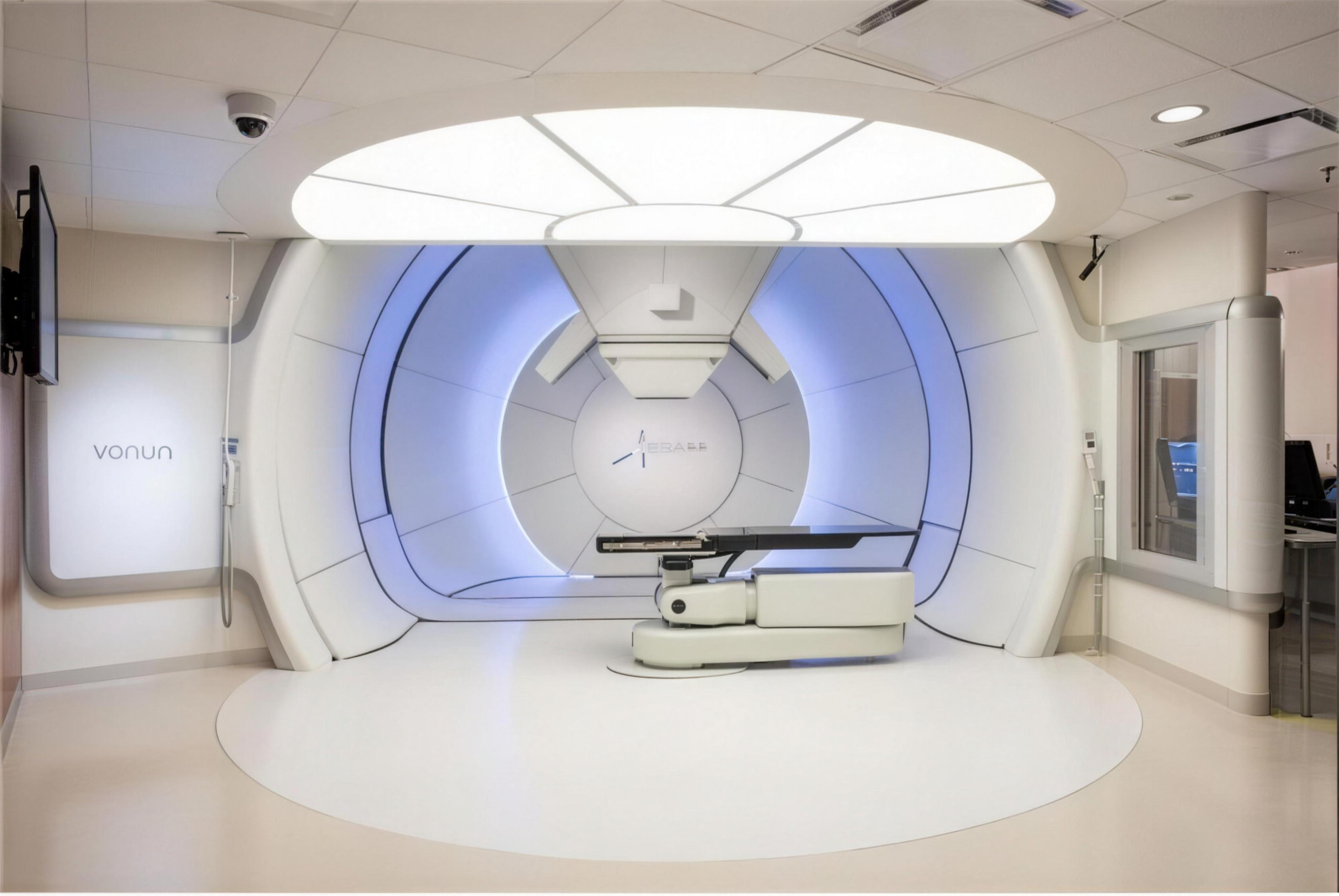
Proton Therapy at Guangzhou Concord Cancer Center
Guangzhou Concord is SANA's proton therapy pathway hospital, built around next-generation radiation equipment and cancer-center workflows.
Key Highlights
- First Varian ProBeam 360° proton system in South China
- MD Anderson Cancer Center collaboration
- Mayo Clinic strategic partnership
- Four 360° rotating gantry treatment rooms
- IMPT with pencil-beam scanning + CBCT image guidance
- Da Vinci robot, PET-MRI, PET-CT, TrueBeam accelerators
- NCCN + MD Anderson radiotherapy standards + JCI
- International-standard private suites + Smart Hospital
World-Leading Medical Equipment
- Varian ProBeam Proton System - First in South China, 4 gantry rooms, IMPT + IGPT
- Da Vinci Surgical Robot - Precision minimally invasive surgery
- PET-MRI - Next-gen molecular imaging
- PET-CT - High-precision tumor metabolic imaging
- TrueBeam LINAC - 4 rooms, world's most advanced new-gen linear accelerator
- Digital Class-100 laminar flow operating rooms





Technology 03
Stem Cell Therapy (Regenerative Medicine)
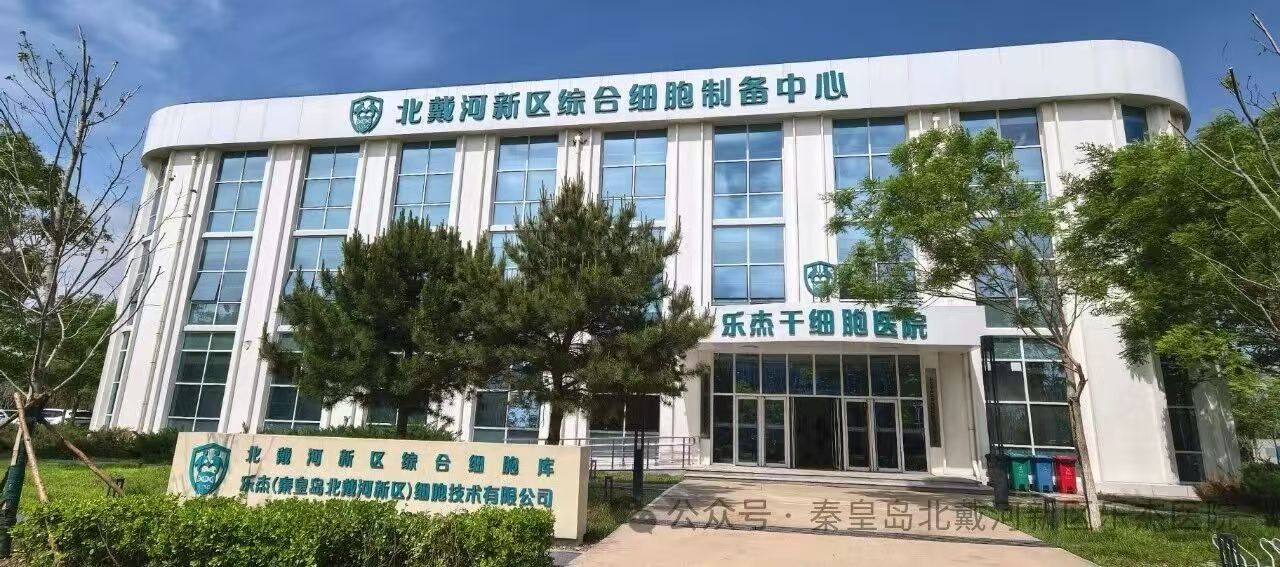
Human umbilical cord mesenchymal stem cell (hUC-MSC) pathways use immunomodulatory and tissue-repair signaling to support specialist-led regenerative care. On this page, SANA presents RA and ED separately so eligibility, preparation, and expected clinical review can be understood clearly.hUC-MSC for Erectile Dysfunction (ED)
Vascular, neural, and corpus cavernosum microenvironment review
Erectile dysfunction can involve vascular, neural, endocrine, metabolic, medication-related, and psychological factors. Because normal erection depends on nitric-oxide signaling, cavernosal blood flow, smooth-muscle relaxation, and tissue integrity, regenerative review focuses on the underlying functional tissue environment rather than short-duration response alone.
Clinical challenge
- PDE5 inhibitors are common first-line therapy, but they are symptom-oriented and may be unsuitable for patients using nitrate medications.
- Device therapy, intracavernosal medication injection, or surgery can create practical burden, variable acceptance, and higher perceived treatment friction.
- Patients with diabetes, vascular risk factors, or nerve injury may require deeper specialist assessment before a regenerative pathway is considered.
Regenerative rationale
- Local hUC-MSC delivery is reviewed for paracrine effects that may support angiogenesis, neurorestoration, and smooth-muscle microenvironment repair.
- The pathway is framed around cavernous tissue remodeling, antifibrotic signaling, and recovery of endothelial and neural function.
- Clinical discussion should remain eligibility-based, with outcomes assessed through specialist review rather than generalized promises.
Pre-review materials
- IIEF-5 or EHS scoring, ED duration, prior PDE5 inhibitor response, and current medication list
- Metabolic and vascular risk review, including diabetes status, blood pressure, lipid profile, testosterone when relevant, and PSA screening
- Specialist tests may include nocturnal erection monitoring, penile Doppler ultrasound, and broader urology evaluation

hUC-MSC for Rheumatoid Arthritis (RA)
Autoimmune inflammation, joint protection, and functional recovery review
Rheumatoid arthritis is a chronic autoimmune inflammatory disease in which synovial inflammation can lead to cartilage injury, bone erosion, joint swelling, pain, morning stiffness, deformity, and reduced mobility. hUC-MSC review is positioned for selected RA patients who need evaluation beyond symptom control alone.
Clinical challenge
- Conventional RA treatment can reduce inflammation, but refractory disease and medication intolerance remain common clinical problems.
- Long-term steroid or immune-suppressive regimens may be limited by infection risk, metabolic effects, pregnancy or breastfeeding restrictions, and other adverse events.
- RA care needs to address immune imbalance and joint structural injury, not only short-term pain or swelling.
Regenerative rationale
- hUC-MSCs may help rebalance innate and adaptive immune activity, including macrophage M1/M2 and Th17/Treg pathways.
- Paracrine signaling may reduce inflammatory mediators such as CRP, IL-6, and TNF-alpha in selected clinical contexts.
- The repair-oriented pathway focuses on supporting cartilage and bone microenvironments while inhibiting excessive osteoclast activity.
Pre-review materials
- Confirmed RA diagnosis, recent treatment history, and current medication plan
- Inflammatory and autoimmune markers such as CRP, ESR, rheumatoid factor, anti-CCP, IL-6, and TNF-alpha when available
- Safety screening, infection screening, tumor-marker review, cardiopulmonary evaluation, and relevant joint imaging